2026-10-23 ·
Signs of Failing Spray Foam in Cheltenham's Victorian Terraces
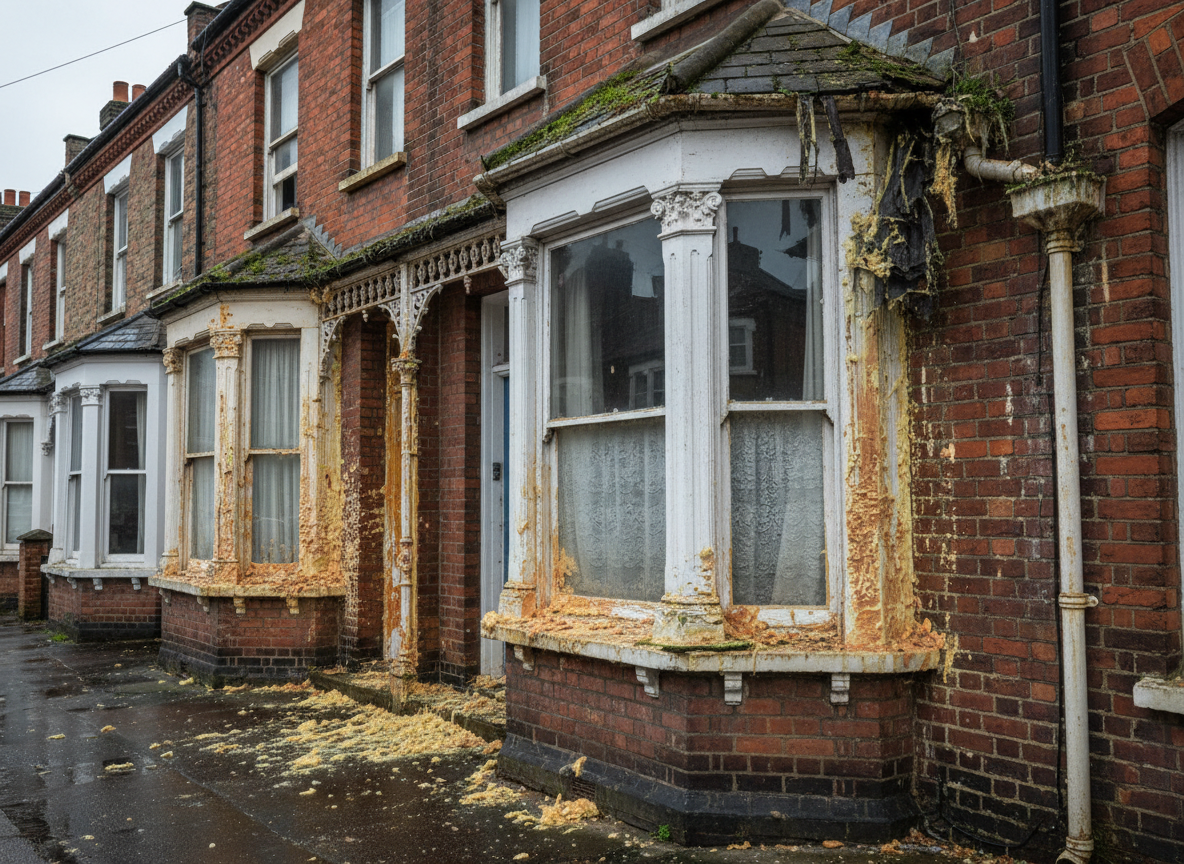
In Cheltenham's Victorian terraces, failing spray foam typically appears as persistent damp patches on ceilings and upper walls within 8–12 years, especially where closed-cell foam was applied directly to slate roofs and lime plaster without ventilation gaps.
Visible Interior Indicators
Homeowners in areas like Montpellier and Lansdown often notice yellowing or brown stains on bedroom ceilings first. These marks form when moisture becomes trapped between the foam and the original lath-and-plaster, preventing natural drying that Victorian construction relied on. Cracks in the plaster widen over time as the rigid foam expands and contracts with temperature swings common in the Cotswold foothills. Peeling wallpaper near cornices is another frequent clue, caused by salts migrating from brickwork that can no longer breathe. Checking these signs early prevents larger plaster repairs later.
Loft and Roof Space Problems
In the lofts of terraces along the Promenade or near Pittville Park, failed spray foam shows as sagging insulation boards and dark mould lines along rafters. The original slate roofs in these properties were designed to shed water quickly, yet foam blocks airflow and holds condensation against timber. Homeowners report musty smells strongest after heavy rain, when water finds its way under tiles and sits against the foam backing. Distorted roof timbers may appear after several wet winters if the foam remains in place. Timing Spray Foam Removal Around Cheltenham's Wet Winters explains how seasonal patterns accelerate these issues in local stock.
Structural and Moisture Effects
Victorian terraces in Cheltenham frequently sit on clay soils that hold water, increasing the risk of rising damp once foam seals the walls. Look for white efflorescence on internal brickwork in cellars or ground-floor rooms. Floorboards near external walls can feel spongy when the foam has directed moisture downward instead of allowing it to evaporate outward. In properties around Gloucester Road, surveyors have documented rot in joist ends where closed-cell foam met unventilated cavities. These changes alter the original thermal performance and can affect mortgage valuations.
When Professional Assessment Helps
If multiple signs appear together, an insulation assessment provides a clear picture of the foam type and extent of damage. Technicians familiar with Cheltenham's housing stock can distinguish between open-cell and closed-cell failures without unnecessary disruption. Early removal protects the remaining lime plaster and timber that give these terraces their character. Residential Spray Foam Removal teams working in the area understand how to work around narrow access points common in Victorian layouts. Homeowners in Tewkesbury and Bishop's Cleeve have followed similar inspection steps before proceeding with targeted extraction.
Next Steps for Cheltenham Properties
Document any stains or odours with photos and note the dates they were first observed. This record helps when discussing options with removal specialists based at Glendale House, 11 Montpellier Terrace. Addressing the issue promptly avoids compounding costs from plaster replacement or timber treatment that can arise once water damage spreads. Local teams offer 24/7 availability for urgent cases where leaks have already begun affecting living spaces.